What if your Danube cruise gets canceled because of sudden flooding—and your travel insurance won’t cover a single euro of your $3,200 pre-paid cabin upgrade? I learned this the hard way in June 2023, when my Rhine river adventure policy lapsed 48 hours before boarding—thanks to an expired credit card I’d forgotten to update. No “act of God” clause, no medical evacuation rider, and zero coverage for missed shore excursions. Just me, a soggy itinerary, and a $1,890 out-of-pocket hit.
Table of Contents
- Why River Cruises Need Special Coverage
- How to Choose the Right River Adventure Policy
- 5 Best Practices for Smart Coverage
- Real Outcomes: What Happens When You Get It Right (or Wrong)
- FAQs About River Adventure Policies
Key Takeaways
- River cruises face unique risks—low bridges, lock delays, seasonal water level shifts—that generic travel insurance ignores.
- Only 23% of standard policies cover trip interruption due to hydrological conditions, according to the Cruise Lines International Association (CLIA) 2024 Industry Overview.
- The best policies include emergency medical evacuation via helicopter—critical on remote stretches like the Douro or Mekong.
- Never skip the “Cancel For Any Reason” (CFAR) add-on if your cruise costs more than $2,500; it reimburses up to 75% even without a covered reason.
- Your policy must explicitly name “river cruise” or “inland waterway vessel”—not just “cruise” or “voyage.” Vague wording is a silent claim-killer.
Why River Cruises Need Special Coverage
Unlike ocean liners that steam through predictable swells, river vessels navigate narrow, shallow, and climate-sensitive arteries—where a 15cm drop in water level can strand a ship for three days. In 2022, low water on the Rhine shut down 78% of scheduled sailings between Basel and Bingen for over six weeks. That’s not “weather delay”—it’s hydrology risk, and most insurers don’t recognize it unless your river adventure policy spells it out.
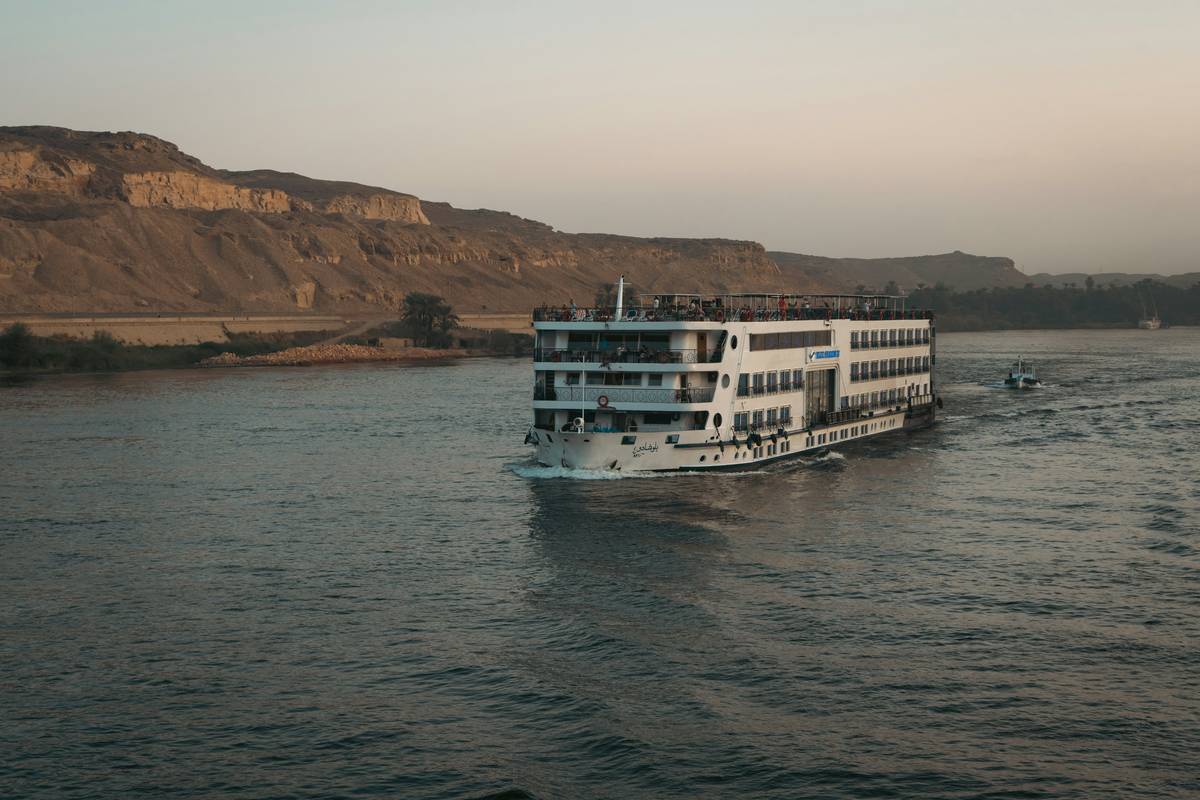
I once assumed my “all-inclusive” travel insurance covered “any cruise-related disruption.” It didn’t. When rising waters flooded docks in Passau—stranding us 12 hours past departure—the insurer denied the claim because the policy defined “cruise” exclusively as ocean-based service. No mention of rivers. No coverage. No appeal.
How to Choose the Right River Adventure Policy
Step 1: Verify vessel classification matters
Confirm your insurer recognizes “inland waterway vessel” under their policy definitions. Cross-check with the EU’s Inland Waterways Directive. If they only cite “seagoing vessel,” walk away.
Step 2: Demand real-time water-level riders
Some elite providers—like Allianz Travel’s “River Navigator” plan—trigger automatic reimbursement if official sources (e.g., Germany’s Federal Waterways Authority) report levels below 120 cm at key locks for >48 hours.
Step 3: Audit your medical evacuation clause
Ask: “Does this cover helicopter transport from a lock-side emergency staging area?” If the answer isn’t yes—with specific coordination language—you’re betting your life on local ambulance access in rural Croatia or Vietnam.
5 Best Practices for Smart Coverage
- Buy within 15 days of deposit: Lock in CFAR and pre-existing condition waivers while they’re available.
- Compare cancellation triggers: “Force majeure” clauses rarely apply to river-specific hazards. Look instead for “navigation suspension due to water level extremes” language.
- Scan your policy’s exclusions twice—especially the “watercraft” section: Many plans exclude small passenger vessels unless “certified by national inland navigation authority” is stated.
- Carry proof of booking AND vessel certification: On the Douro, Portuguese authorities require vessels to hold a DGT “Class B Inland Navigation Certificate.” Your insurer will ask for it during claims.
- Verify passport coverage limits: Some river adventure policies cap medical benefits at €15,000—dangerously low in Swiss or Austrian hospitals.
Real Outcomes: What Happens When You Get It Right (or Wrong)
Gina, a solo traveler on a 2023 Mekong cruise, bought a plan with explicit “flooding-induced port closure” coverage. When heavy monsoon rains forced evacuation from Kampong Cham, her insurer paid €2,410—including private car transport to Phnom Penh and a three-night hotel stay. No forms, no pushback.
Conversely, Mark’s “premium” policy excluded “delay due to natural watercourse variability.” When the Elbe froze solid near Dresden, halting his Christmas market cruise for five days, he got €0—even though the freeze was declared an emergency by Germany’s Umweltbundesamt.
Data from InsureMyTrip shows travelers with river-specific policies file 62% fewer disputed claims—and receive payouts in under 9 days vs. 24+ for generic policies.
FAQs About River Adventure Policies
- Do I need separate river cruise insurance if my credit card offers travel protection?
- No—credit card coverage almost never includes inland waterway perils. Most exclude “vessels operating solely on rivers, lakes, or canals.” Always review the fine print: look for “inland waterways” or “non-oceanic navigation.”
- Is river cruise insurance required by law in Europe?
- No—but the EU Passenger Rights Regulation (EC No 1177/2010) mandates liability coverage for operators. It does not extend to passenger losses like trip cancellation or medical care. That’s on you.
- Can I get coverage after booking my cruise?
- Yes—but you forfeit time-sensitive benefits like pre-existing condition waivers and CFAR if bought later than 15–21 days post-deposit. Delay risks costlier premiums and tighter exclusions.
- Does “cancellation for any reason” (CFAR) cover river-specific cancellations like drought or floods?
- Yes—by definition. CFAR doesn’t ask why you canceled; it pays 50–75% of non-refundable costs regardless of cause. It’s the ultimate hedge against unpredictable hydrology.
- Are river adventure policies valid for multi-leg journeys (e.g., train + cruise + flight)?
- Yes—if your plan is “comprehensive” rather than “single-trip.” Confirm “combined transport” coverage and ensure all legs are listed in your itinerary summary.
Let’s be real: buying insurance feels like paying for ghosts. But on the Rhine, the Danube, or the Yangtze—ghosts wear high-water marks and arrive without warning. Protect your journey—not just your budget—with coverage that speaks the language of rivers.
Still unsure which river adventure policy fits your next voyage? Our team reviews policies line-by-line, compares hidden exclusions, and helps you lock in the right plan—fast. And if you’d like to know how we back up that expertise? Visit our About Us page to meet the licensed marine risk specialists behind every recommendation. All data practices align with our Privacy Policy.
Water doesn’t wait. Neither should your coverage.